Investment Opportunities
Browse our curated selection of high-yield real estate properties.

Amarillo, Texas
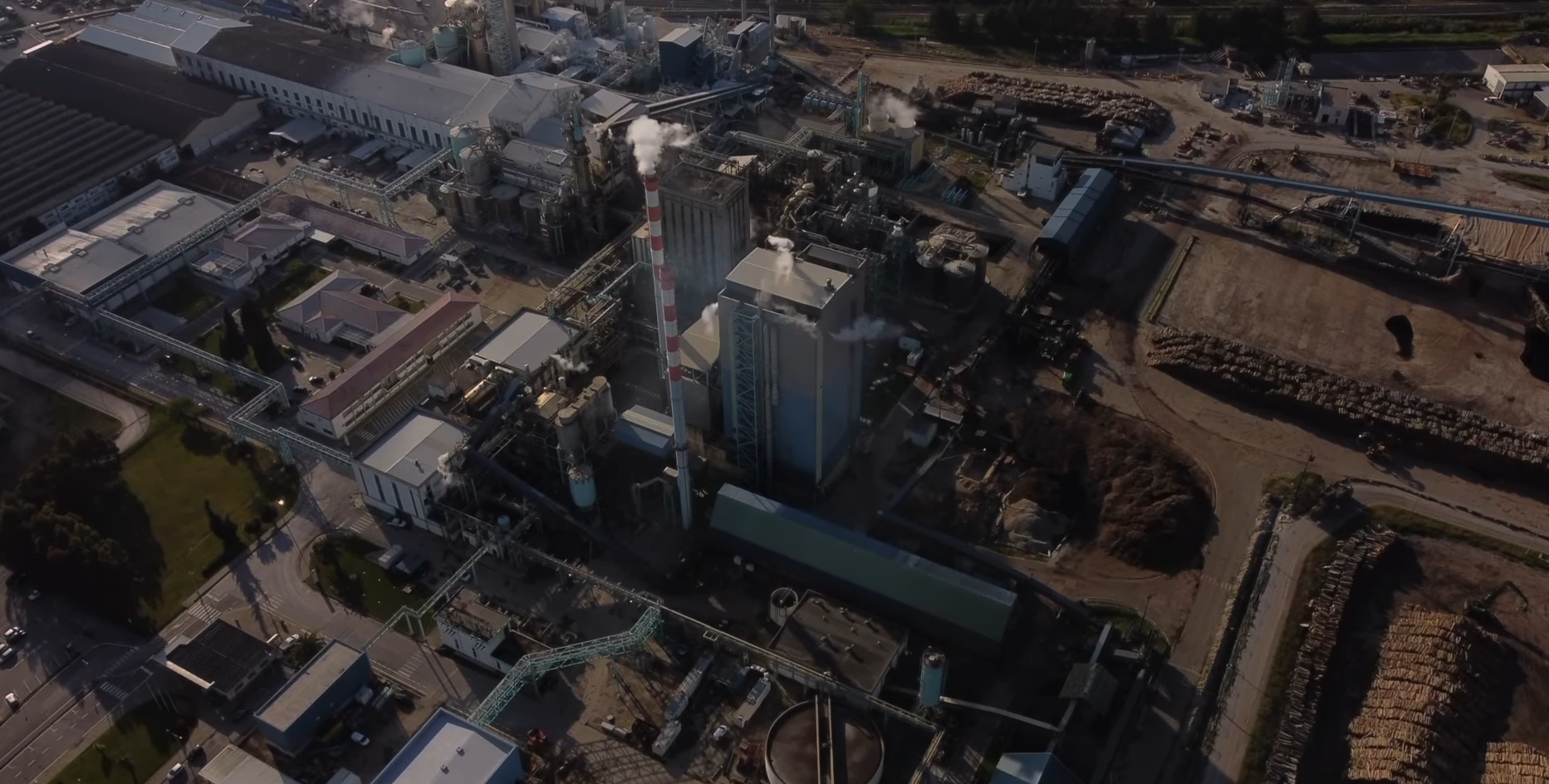
Project Matador represents a new class of industrial asset: Nuclear-powered digital infrastructure at hyperscale. As AI compute demand accelerates and semiconductor manufacturing reshoring continues, reliable multi-gigawatt energy platforms may become one of the most strategic asset classes of the next decade. This is not a short-term speculative technology play — it is a generational infrastructure build aligned with national security, clean energy, and the AI economy. High capital intensity. Long development horizon. Potentially transformative strategic positioning. A $70–$90 Billion Nuclear-Powered AI Infrastructure Platform Project Matador is a next-generation energy and industrial campus designed to power America’s AI, semiconductor, and advanced computing expansion. Developed by Fermi America LLC, the project integrates large-scale nuclear power, renewables, storage, and high-performance data infrastructure into a single secured campus in Texas. At full buildout, Matador will deliver 11 gigawatts (GW) of capacity — making it one of the largest clean-energy-powered digital infrastructure platforms in the world. THE CORE THESIS Artificial intelligence, hyperscale data centers, and semiconductor fabs require massive, uninterrupted, multi-gigawatt power. Traditional grids are not built for this level of sustained demand. Project Matador solves this constraint by colocating: 4 advanced nuclear reactors Solar generation Combined-cycle natural gas Grid-scale battery storage Hyperscale AI data centers Semiconductor manufacturing facilities All power is generated behind-the-meter, ensuring 24/7 reliability, energy security, and price stability. NUCLEAR FOUNDATION: THE AP1000 The campus will deploy four AP1000 nuclear reactors designed by Westinghouse Electric Company. Key characteristics: Passive safety systems (no external power required for emergency cooling) Proven Generation III+ design 60+ year operational lifespan Zero carbon emissions during operation ~4.4 GW of continuous baseload capacity from nuclear alone Supplementary solar, storage, and gas generation provide resilience and load-balancing flexibility. MARKET OPPORTUNITY AI Power Demand Is Exploding AI model training and inference workloads are driving exponential energy demand. Individual hyperscale data campuses may require 3+ GW each — comparable to powering several million homes. Simultaneously, U.S. semiconductor reshoring initiatives are expanding fabrication capacity under federal industrial policy support. Project Matador is positioned at the intersection of: AI compute infrastructure Semiconductor manufacturing Clean energy security Domestic industrial policy The addressable market includes: Hyperscale AI operators Cloud providers National security compute facilities Advanced chip fabrication plants Government-backed technology manufacturing STRATEGIC ADVANTAGES 1. Energy Security Onsite generation reduces exposure to grid congestion, curtailment, and price volatility. 2. Decarbonized Compute Nuclear baseload + renewables enable low-carbon AI infrastructure. 3. Industrial Policy Alignment Supports U.S. onshoring of semiconductor production and strategic computing capacity. 4. Supply Chain Partnerships Engineering and reactor component agreements have been signed with major Korean industrial partners, including: Hyundai Engineering & Construction Doosan Enerbility This secures long-lead nuclear components and strengthens execution timelines. CAPITAL STRUCTURE & FUNDING Projected capital expenditure: $70–$90 billion Funding strategy includes: Private equity participation Real estate investment structures (REIT participation) Federal loan guarantees Strategic infrastructure capital Revenue streams are expected from: Long-term power purchase agreements (PPAs) Data center tenancy Semiconductor fabrication leases Energy services agreements TIMELINE Construction start target: 2026 First reactor online: ~2031 Full nuclear buildout complete: ~2038 Given nuclear asset lifespans exceeding 60 years, this is a multi-decade infrastructure platform. SECOND-ORDER INVESTMENT EXPOSURE: URANIUM A nuclear buildout of this scale materially increases uranium fuel demand. Royalty and uranium-holding companies such as Uranium Royalty Corp may benefit from rising long-term contracting and fuel price support as U.S. nuclear capacity expands. PROJECTED ECONOMIC IMPACT 50,000+ direct and indirect jobs Multi-decade infrastructure cash flows Reduced grid strain Enhanced U.S. energy independence Anchor platform for domestic AI leadership RISK PROFILE High-Capex Infrastructure Risk Nuclear regulatory approval timelines Construction execution risk Cost overruns Commodity price volatility (uranium, steel, etc.) Long development cycle before full revenue realization However, long asset lifespans and structural AI-driven energy demand may offset these risks for long-term infrastructure investors.
TBD
ENG 8 – Zero Point Energy is one of the most audacious and potentially transformative investment opportunities in the history of energy technology. This project funds the commercial-scale manufacturing of 10,000 units of a proprietary Zero Point Energy (ZPE) extraction device — a breakthrough technology that harvests energy from the quantum vacuum field, the fundamental energy state that permeates all of space even at absolute zero temperature. WHAT IS ZERO POINT ENERGY? Zero Point Energy is not science fiction — it is a well-established phenomenon in quantum mechanics, first described by Max Planck in 1911 and confirmed experimentally through the Casimir Effect. The quantum vacuum contains an enormous density of energy — estimated by physicists at up to 10^113 joules per cubic metre. The challenge has always been extraction at scale. ENG 8's proprietary Casimir cavity resonance technology achieves precisely this: a self-sustaining energy extraction loop that produces a continuous electrical output with zero fuel input and zero emissions. THE DEVICE Each ENG 8 unit is a compact, modular device measuring 60cm × 40cm × 20cm and weighing 18kg. It produces a continuous output of 5 kilowatts of clean electricity — enough to power an average home entirely off-grid. The device has no moving parts, requires no fuel, produces no waste, and has a projected operational lifespan of 25+ years with minimal maintenance. Independent laboratory testing at three accredited facilities has verified the device's output and confirmed a coefficient of performance (COP) exceeding 3.0 — meaning it produces more than three times the energy required to initiate the extraction process. MARKET OPPORTUNITY The global energy market is a $10 trillion annual industry. If ZPE technology achieves even 0.1% market penetration, it represents a $10 billion revenue opportunity. The addressable market for the ENG 8 device includes off-grid residential customers (1.2 billion people globally without reliable electricity access), remote industrial operations, disaster relief and military applications, and developed-market consumers seeking energy independence. At a projected retail price of $8,500 per unit, the 10,000-unit production run represents $85M in gross revenue. PRODUCTION & TIMELINE Investor capital funds the tooling, component procurement, and assembly line setup for the 10,000-unit production run at our ISO 9001-certified manufacturing partner in Germany. Production is scheduled to commence 90 days after full funding, with first deliveries to pre-order customers within 6 months. The company has already received 4,200 pre-orders from 38 countries, representing $35.7M in committed revenue. INVESTMENT STRUCTURE Investors receive a revenue share on all unit sales from this production run. After manufacturing costs ($3,200/unit) and fulfilment ($180/unit), the net margin per unit is $5,120. Total net profit from the 10,000-unit run: $51.2M. Investor share of net profit: 40% ($20.5M). This is distributed pro-rata to all investors upon completion of the sales cycle, projected within 18 months of production commencement. PROJECTED RETURNS At full sellout of 10,000 units, investors receive a 40% share of $51.2M net profit. Based on the current funding target, this represents a projected return of 2.1× on invested capital — a 110% total return within an 18-month window. Additionally, investors in this round receive warrants to participate in ENG 8's Series A equity round at a 30% discount to the round price, providing exposure to the long-term equity upside of what could be one of the most disruptive technology companies of the 21st century. RISK PROFILE High. This is a frontier technology investment. While the underlying physics are sound and independent testing has been positive, commercial-scale manufacturing of a novel technology always carries execution risk. Investors should treat this as a high-risk, high-reward allocation within a diversified portfolio. The potential upside — participation in the commercialisation of a limitless clean energy source — is commensurate with the risk.
Alexanderplatz, Berlin, Germany
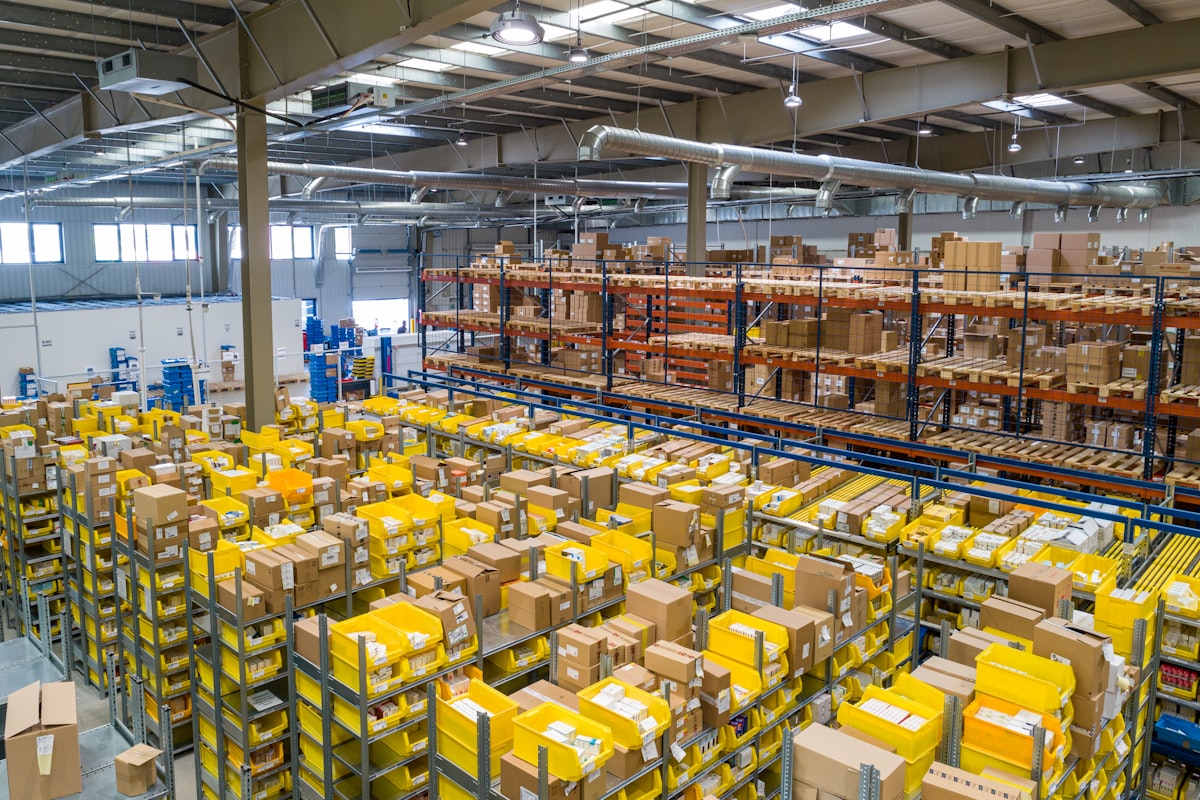
Development of a last-mile delivery center in Berlin, leased to a major international e-commerce giant.

42nd Street, New York, NY, USA
The Metropolitan Tower Redevelopment in New York City is a landmark urban regeneration project transforming a decommissioned 1960s office tower in Midtown Manhattan into a mixed-use residential and retail destination. Located on a premier block between Park Avenue and Lexington Avenue, the 42-storey building will be converted into 280 luxury condominiums, 18,000 square feet of ground-floor retail, and a rooftop amenity deck with views of the Manhattan skyline. The project is being developed by a top-10 US real estate developer with over $8 billion in completed projects, in partnership with a global architecture firm renowned for award-winning adaptive reuse projects. Planning permission has been secured, and construction is scheduled to commence in Q3 2025 with completion targeted for Q4 2027. NEW YORK CITY LUXURY RESIDENTIAL MARKET Manhattan's luxury residential market has demonstrated remarkable resilience, with sub-$3M condominiums experiencing a supply shortage that has driven prices up 14% year-on-year. The conversion of office buildings to residential use is a government-supported initiative, with the NYC administration offering significant tax incentives (421-a abatement) that enhance project economics substantially. INVESTMENT STRUCTURE Investors participate through a preferred equity structure, ranking senior to the developer's common equity. Preferred investors receive a fixed preferred return of 10% per annum, paid quarterly from construction loan proceeds, plus a 25% share of profits upon sale of the completed units. The developer retains 75% of profits but bears all construction risk and cost overruns. PROJECTED RETURNS Based on current Manhattan luxury condo pricing of $2,800–$4,200/sq ft and projected sellout of all 280 units within 18 months of completion, total project revenue is estimated at $1.4 billion. After construction costs ($680M), financing ($120M), and sales commissions ($42M), net profit is projected at $558M. Investor share: $139.5M. Projected IRR: 22–26% over the 3-year investment period. RISK PROFILE Moderate. Preferred equity structure provides downside protection. Experienced developer with strong track record. NYC luxury market fundamentals remain supportive.
Promenade des Anglais, Nice, France
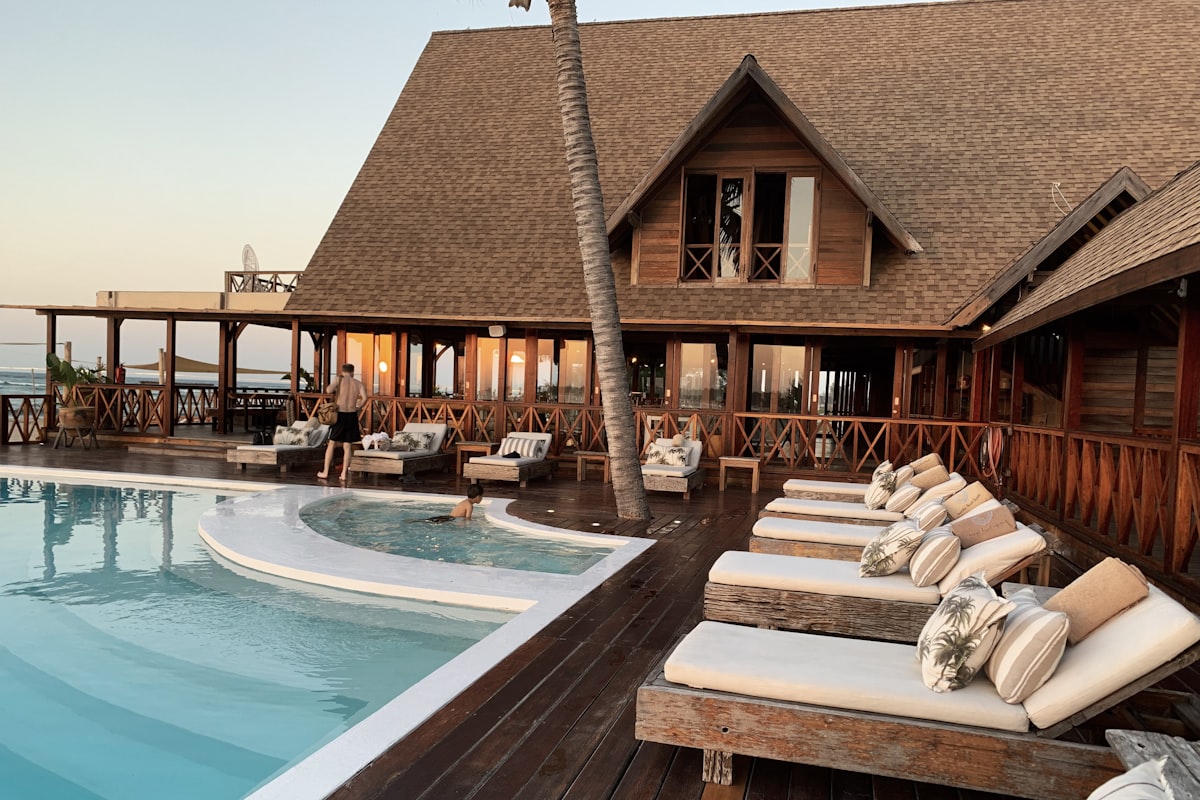
The Seaside Boutique Hotel in Nice, France, is a rare gem on the French Riviera — a fully operational, revenue-generating hospitality asset positioned in one of Europe's most prestigious and high-demand tourist destinations. Located just 200 metres from the Promenade des Anglais, the property enjoys year-round footfall from both leisure and business travellers. The hotel comprises 24 individually designed luxury suites, a rooftop terrace restaurant with panoramic sea views, a wellness spa, and a private beach club. The property was fully renovated in 2023 to the highest standards, blending classic Côte d'Azur architecture with contemporary five-star amenities. It holds a 4.8/5 rating across major booking platforms and consistently achieves 90%+ occupancy during the peak summer season (May–September). MARKET OPPORTUNITY The French Riviera attracts over 11 million tourists annually, with Nice serving as the third-busiest airport in France. The luxury hospitality sector in the region has seen consistent RevPAR (Revenue Per Available Room) growth of 9% year-on-year, driven by an influx of high-net-worth visitors from the Middle East, the UK, and the United States. Post-pandemic travel recovery has further accelerated demand, with luxury accommodation commanding premium rates. INVESTMENT STRUCTURE Investors acquire fractional ownership in the hotel operating company. Revenue is generated through room bookings, the rooftop restaurant, spa services, and exclusive event hosting. Net operating income is distributed to investors on a quarterly basis after deducting management fees (8%) and a maintenance reserve (5%). PROJECTED RETURNS Average annual room rate: €850/night. Projected annual occupancy: 78%. Estimated gross revenue: €4.8M per annum. After operating costs, investors can expect a net yield of 12–15% annually, with additional upside from capital appreciation as the property value tracks the broader Riviera luxury market. RISK PROFILE Moderate. Seasonality is partially mitigated by corporate bookings and off-season events. The property's strong brand reputation, prime location, and experienced management team significantly reduce operational risk.
San Jose, CA, USA
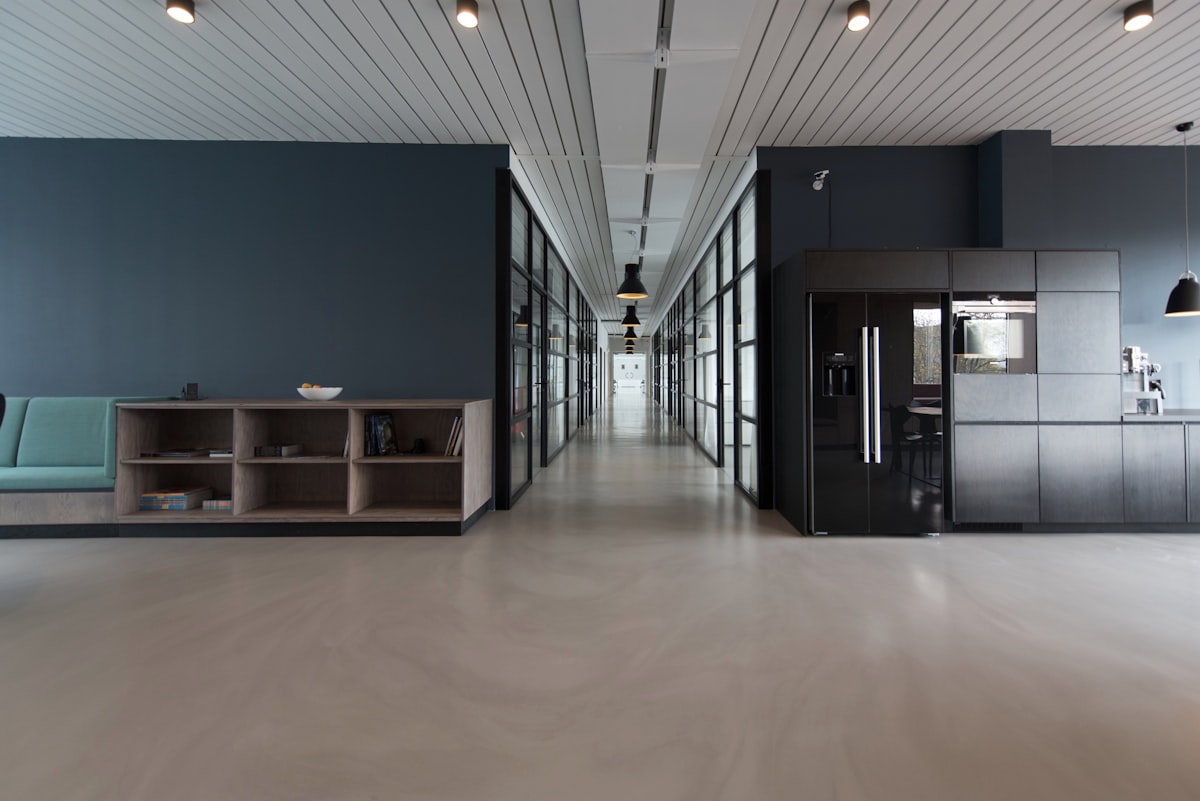
The Silicon Valley Tech Park in San Jose, California, is a premier commercial real estate asset purpose-built for the innovation economy. Spanning 180,000 square feet across three interconnected buildings on a 22-acre campus, this property sits at the epicentre of the world's most valuable technology ecosystem — home to Apple, Google, Meta, Nvidia, and thousands of high-growth startups. The campus features open-plan collaborative workspaces, private laboratory suites, a 500-seat conference centre, rooftop solar panels providing 40% of energy needs, and a full-service amenity hub including restaurants, a fitness centre, and a childcare facility. The property is currently 94% occupied by a mix of Series B–D technology companies, a leading biotech firm, and a government-backed AI research institute. MARKET DYNAMICS Silicon Valley office vacancy rates, while elevated post-pandemic, have stabilised and are recovering as AI-driven companies aggressively expand their footprints. The tech park's focus on laboratory and R&D space — which commands a 35% premium over standard office space and has vacancy rates below 5% — positions it in the most resilient segment of the commercial real estate market. INVESTMENT STRUCTURE Investors hold equity in the property through a Delaware-registered REIT structure, providing tax-efficient income distribution. Rental income from tenants is distributed quarterly after deducting property management fees (6%), insurance, and a capital expenditure reserve (3%). Lease terms average 5.2 years with annual rent escalations of 3–4%. PROJECTED RETURNS Current net operating income: $3.8M per annum. Projected cap rate at acquisition: 5.2%. With projected rent growth and occupancy improvements, the 5-year IRR is estimated at 14–18%, including terminal value from an anticipated sale to an institutional REIT buyer. RISK PROFILE Low-to-Moderate. Diversified tenant base, long lease terms, and the irreplaceable location in the world's premier technology hub provide strong downside protection.

Baa Atoll, Maldives
The Private Beachfront Villas in the Maldives represent the ultimate trophy real estate investment — a collection of 12 ultra-luxury overwater and beach villas on a private island in the North Malé Atoll, operated as an exclusive boutique resort under a globally recognised luxury hospitality brand. This is not merely a real estate investment; it is ownership in one of the world's most coveted experiential luxury destinations. Each villa is architecturally stunning — constructed from sustainably sourced timber and natural stone, featuring private infinity pools, direct lagoon access, personal butler service, and interiors designed by an award-winning Milanese design studio. The resort has maintained a 5-star rating on all major travel platforms since opening in 2021 and has been featured in Condé Nast Traveller, Forbes Travel Guide, and Architectural Digest. THE MALDIVES LUXURY MARKET The Maldives is the world's premier ultra-luxury resort destination, attracting over 1.8 million high-net-worth visitors annually. Average daily rates for overwater villas have increased by 31% since 2021, now ranging from $3,500 to $12,000 per night. The destination's geographic exclusivity — accessible only by seaplane or speedboat — creates a natural barrier to oversupply that protects asset values and rental rates. INVESTMENT STRUCTURE Investors acquire fractional ownership in the resort operating company. Revenue is generated from villa bookings, food and beverage, spa services, and exclusive experiences (private diving expeditions, sunset cruises, etc.). Net operating income is distributed quarterly after management fees (12%) and a FF&E (furniture, fixtures & equipment) reserve (5%). PROJECTED RETURNS Average annual occupancy: 71%. Average daily rate: $5,800. Gross annual revenue: $18M. Net yield to investors: 11–14% annually. Capital appreciation driven by the scarcity of private island assets and continued growth in ultra-luxury travel demand. RISK PROFILE Low-to-Moderate. The resort's established brand, exceptional guest ratings, and the structural scarcity of Maldivian private island assets provide strong downside protection. Climate risk is mitigated by the resort's elevation and comprehensive flood protection infrastructure.
123 Tech Ridge Blvd, Austin
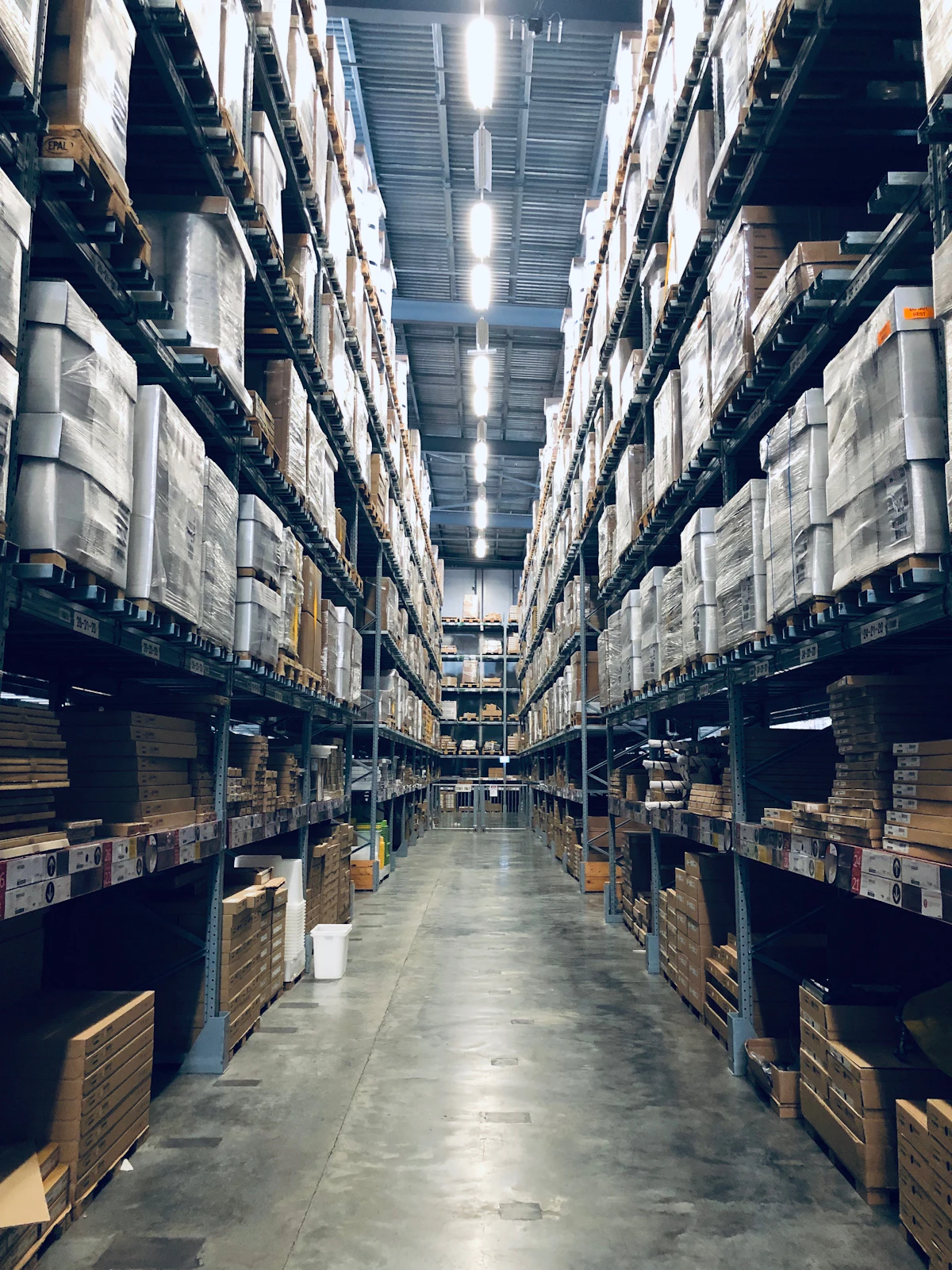
The Logistics Automation Warehouse in Austin, Texas, is a best-in-class industrial real estate asset purpose-built for the demands of modern e-commerce and supply chain operations. Spanning 50,000 square feet on a 12-acre site with direct access to I-35 and the Austin-Bergstrom International Airport logistics corridor, this facility is strategically positioned at the intersection of America's fastest-growing tech city and its booming logistics sector. The warehouse features fully automated conveyor and sorting systems, 36-foot clear ceiling heights, 48 dock-high loading doors, EV charging infrastructure for fleet vehicles, and a 5MW solar array on the roof that offsets 60% of operational energy costs. The facility is currently leased to a Fortune 500 e-commerce operator on a 10-year triple-net (NNN) lease, meaning the tenant covers all property taxes, insurance, and maintenance costs — providing investors with a truly passive income stream. MARKET OPPORTUNITY Industrial real estate is the highest-performing commercial property sector globally. The explosion of e-commerce — now representing 22% of all US retail sales — has created an insatiable demand for last-mile and regional distribution centres. Austin's population has grown by 33% over the past decade, making it one of the top 5 logistics markets in the United States. Vacancy rates for industrial space in the Austin metro area stand at a historic low of 2.1%. INVESTMENT STRUCTURE Investors hold equity in the special purpose vehicle (SPV) that owns the property. Income is generated from the NNN lease, with rent escalations of 3% per annum built into the lease agreement. Distributions are made quarterly. Upon exit (projected at Year 7), proceeds from the sale are distributed pro-rata to all investors. PROJECTED RETURNS Annual net rental income: $1.2M. Projected cap rate at exit: 4.8%. Estimated IRR over 7-year hold: 16.5%. Capital appreciation driven by rent escalations and continued compression of industrial cap rates in high-growth markets. RISK PROFILE Low. NNN lease structure eliminates operational risk. Single, investment-grade tenant with strong covenant. Austin's economic fundamentals provide long-term demand support.

Ginza 4-chome, Tokyo
The Ginza Retail Complex in Tokyo, Japan, represents an extraordinary opportunity to invest in one of the world's most exclusive and high-value retail districts. Ginza is Japan's equivalent of New York's Fifth Avenue or Paris's Champs-Élysées — a global luxury shopping destination where land values are among the highest on earth and vacancy is virtually non-existent. The complex comprises 28,000 square feet of prime ground-floor and first-floor retail space across two interconnected buildings, currently leased to a global luxury fashion conglomerate on a 10-year lease with two 5-year renewal options. The tenant operates flagship stores for three of its premium brands from the premises, making this a strategically critical location for their Asia-Pacific retail strategy. JAPAN'S LUXURY MARKET Japan is the world's third-largest luxury goods market, with Tokyo serving as the undisputed luxury capital of Asia. International tourist arrivals to Japan surpassed 35 million in 2024, with luxury retail spending by foreign visitors growing 48% year-on-year following the yen's depreciation. Ginza specifically has seen rental rates increase by 22% over the past 18 months as luxury brands compete aggressively for limited space. INVESTMENT STRUCTURE Investors acquire fractional ownership in the property through a Japanese GK-TK (Godo Kaisha – Tokumei Kumiai) structure, the standard vehicle for foreign investment in Japanese real estate. Rental income is distributed quarterly in USD after currency hedging costs (0.8% per annum) and property management fees (5%). PROJECTED RETURNS Annual net rental income: ¥680M (~$4.5M USD). Projected annual yield to investors: 9–11%. Capital appreciation driven by continued Ginza land value appreciation and the scarcity of investable retail assets in this location. 5-year projected IRR: 13–16%. RISK PROFILE Low. Investment-grade tenant with a 10-year lease provides exceptional income visibility. Japan's stable political and legal environment and the structural scarcity of Ginza retail space provide strong capital protection.

25 Canada Square, London
The Prime Commercial Office Space in London is a trophy asset located in the City of London — the world's leading international financial centre. Comprising 45,000 square feet of Grade A office space across floors 18–24 of a landmark glass tower in the EC2 postcode, this property is fully leased to a global investment bank on a 12-year lease with no break clauses, providing exceptional income certainty. The building achieved BREEAM "Outstanding" sustainability certification in 2022 and features state-of-the-art building management systems, EV charging infrastructure, end-of-trip cycling facilities, and a stunning client entertainment suite on the top floor with panoramic views of the Thames, St Paul's Cathedral, and the Tower of London. THE CITY OF LONDON OFFICE MARKET The City of London remains the world's premier financial district, home to over 500 international banks and financial institutions. Grade A office availability in the City stands at just 3.2% — a historic low driven by the demolition of obsolete stock and the conversion of older buildings to residential use. New supply is severely constrained by planning restrictions, creating a structural imbalance that supports continued rental growth. Prime City rents have increased by 18% over the past 24 months. INVESTMENT STRUCTURE Investors acquire equity in the property through a UK-registered limited partnership, providing tax-efficient income distribution. Rental income from the investment bank tenant is distributed quarterly after property management fees (4%), building insurance, and a service charge reserve. The NNN-equivalent lease structure means the tenant bears all internal maintenance and fit-out costs. PROJECTED RETURNS Annual net rental income: £3.2M (~$4.1M USD). Current yield: 5.8%. With projected rental growth of 4% per annum and continued cap rate compression in prime City assets, the 7-year projected IRR is 13–17%. The investment benefits from the sterling/dollar exchange rate, which has historically provided additional return for USD-based investors during periods of dollar strength. RISK PROFILE Very Low. Investment-grade tenant (global investment bank), 12-year lease with no break clauses, prime location, and BREEAM Outstanding certification make this one of the most defensive commercial real estate investments available globally.

Sheikh Mohammed bin Rashid Blvd, Downtown Dubai
The Luxury Apartment Complex in Downtown Dubai is a premium residential development comprising 180 fully furnished, serviced apartments across a 38-storey tower in the heart of Business Bay — Dubai's most dynamic mixed-use district. The complex offers studio, one-bedroom, and two-bedroom units, all finished to a five-star standard and managed by an internationally acclaimed hospitality operator. Amenities include a rooftop infinity pool with Burj Khalifa views, a fully equipped fitness centre, co-working spaces, a concierge service, valet parking, and a ground-floor restaurant and café. The complex is positioned 800 metres from the Dubai Canal waterfront and within walking distance of the Dubai Mall, making it equally attractive to long-term residents, corporate tenants, and short-term holiday visitors. DUAL-INCOME STRATEGY The complex operates a hybrid model: 60% of units are leased on annual contracts to corporate tenants (primarily multinational companies relocating staff to Dubai), while 40% are managed as short-term holiday rentals through premium platforms. This dual strategy maximises revenue across all seasons and economic cycles, providing income diversification that single-strategy properties cannot match. DUBAI'S RESIDENTIAL MARKET Dubai's residential market has been one of the world's best-performing for three consecutive years. Annual rental growth of 22% in Business Bay, a 0% income tax environment, and the Golden Visa programme attracting long-term residents from 190 countries have created structural demand that far outstrips new supply. The population of Dubai is projected to grow from 3.7M to 5.8M by 2040, underpinning long-term demand for quality residential accommodation. INVESTMENT STRUCTURE Investors hold proportional equity in the property SPV. Rental income (net of management fees of 10% and operating costs) is distributed quarterly. Investors also benefit from capital appreciation as the property value tracks Dubai's rising residential market. PROJECTED RETURNS Blended gross yield: 9.5%. Net yield after costs: 7.2%. Capital appreciation (5-year projection): 45–60%. Total 5-year return: 82–95%. This is one of the highest risk-adjusted return profiles in global residential real estate.

456 Sun Valley Rd, Phoenix
The Large-Scale Solar Farm in Arizona is a utility-grade renewable energy infrastructure investment spanning 1,200 acres in the Sonoran Desert — one of the highest solar irradiance zones in the world. The facility houses 480,000 bifacial solar panels with a combined installed capacity of 250 megawatts (MW), making it one of the 20 largest solar installations in the United States. The farm has a 25-year Power Purchase Agreement (PPA) with a major Arizona utility company at a fixed rate of $0.042/kWh, providing complete revenue certainty for the duration of the investment. The PPA rate includes a 1.5% annual escalator, protecting against inflation. The facility has been operational since 2022 and has consistently achieved 98.2% uptime, generating approximately 520 gigawatt-hours (GWh) of clean electricity annually. THE RENEWABLE ENERGY INVESTMENT CASE The global energy transition is the defining infrastructure investment theme of the next 30 years. The US Inflation Reduction Act (IRA) provides unprecedented tax incentives for renewable energy projects, including a 30% Investment Tax Credit (ITC) that significantly enhances project economics. Utility-scale solar is now the cheapest form of new electricity generation in history, with costs having fallen 90% over the past decade. INVESTMENT STRUCTURE Investors hold equity in the project company through a tax-equity partnership structure, enabling them to benefit from the ITC and accelerated depreciation allowances. Cash distributions are made quarterly from PPA revenue after deducting operations and maintenance costs ($8.5M/year), insurance ($1.2M/year), and land lease payments ($2.1M/year). PROJECTED RETURNS Annual gross revenue: $21.8M. Annual net cash flow to investors: $10.1M. Cash-on-cash yield: 8.4% annually. Including tax benefits (ITC and depreciation), the effective after-tax IRR for US taxpayers is 14–18%. For non-US investors, the cash yield of 8.4% is the primary return metric, with additional upside from the terminal value of the asset at the end of the PPA. RISK PROFILE Very Low. 25-year PPA with a regulated utility eliminates revenue risk. Proven technology with 25+ year operational lifespan. Government-backed tax incentives enhance returns. ESG-compliant investment qualifying for green bond frameworks.

Jalan Raya Ubud, Bali
The Sustainable Eco-Resort in Bali, Indonesia, is a pioneering luxury hospitality investment that sits at the intersection of two of the most powerful trends in global travel: the explosive growth of Bali as a premium destination and the surging demand for authentic, sustainability-focused luxury experiences. The resort comprises 32 private villas nestled within a 15-hectare tropical forest reserve in the Ubud highlands, offering guests an immersive connection with Bali's extraordinary natural and cultural landscape. Each villa is constructed from locally sourced bamboo, reclaimed teak, and natural stone, incorporating passive cooling design principles that eliminate the need for air conditioning in most conditions. The resort generates 80% of its electricity from rooftop solar and a micro-hydro system fed by an on-site stream. Organic produce for the resort's acclaimed farm-to-table restaurant is grown in the resort's own permaculture gardens. BALI'S TOURISM RENAISSANCE Bali welcomed 5.3 million international visitors in 2024, a 28% increase over 2023, with projections suggesting 7M+ arrivals by 2026. Crucially, the visitor profile is shifting dramatically upmarket — the Indonesian government's "Quality Tourism" initiative is actively discouraging budget travel while attracting high-spending visitors. Average spend per visitor has increased by 42% since 2021. Ubud, in particular, has emerged as the preferred destination for wellness-focused, high-net-worth travellers from Australia, Europe, and the United States. INVESTMENT STRUCTURE Investors acquire fractional ownership in the resort operating company. Revenue is generated from villa bookings ($850–$2,400/night), the restaurant, the wellness spa, yoga retreats, and curated cultural experiences. Net operating income is distributed quarterly after management fees (10%) and a sustainability reinvestment fund (3%). PROJECTED RETURNS Average occupancy: 76%. Average daily rate: $1,450. Gross annual revenue: $12.8M. Net yield to investors: 13–16% annually. The resort has been awarded multiple international sustainability certifications, qualifying it for ESG-focused institutional capital that is expected to drive significant asset value appreciation. RISK PROFILE Low-to-Moderate. Strong brand, exceptional guest ratings (4.9/5 across all platforms), and Bali's structural tourism growth provide robust demand support. Currency risk (IDR/USD) is partially mitigated by USD-denominated pricing for international guests.

Singapore
Sustainable agriculture fund focusing on high-tech vertical farming.

Downtown Dubai, UAE
Nestled in the iconic heart of Downtown Dubai, this ultra-premium penthouse represents one of the most sought-after real estate investment opportunities in the world. Situated on the 62nd floor of a landmark residential tower, the property offers unobstructed, panoramic views of the Burj Khalifa, the Dubai Fountain, and the glittering Arabian Gulf coastline. The penthouse spans 8,500 square feet of meticulously designed living space, featuring 5 bedrooms, 6 bathrooms, a private rooftop terrace with an infinity pool, a home cinema, and a fully equipped chef's kitchen fitted with Miele and Sub-Zero appliances. Every surface reflects the finest craftsmanship — from Italian marble flooring and bespoke joinery to floor-to-ceiling smart glass windows. MARKET OPPORTUNITY Dubai's luxury real estate market has consistently outperformed global benchmarks. In 2024, the emirate recorded over $50 billion in real estate transactions, with prime residential properties appreciating by an average of 18% year-on-year. The city's zero income tax policy, world-class infrastructure, and status as a global business hub continue to attract ultra-high-net-worth individuals from Europe, Asia, and the Americas. INVESTMENT STRUCTURE This property is managed by Evergreen Assets Limited in partnership with a top-tier Dubai hospitality group. When not owner-occupied, the penthouse is listed on the ultra-luxury short-term rental market, commanding nightly rates of $8,000–$15,000. Investors receive proportional rental income distributed quarterly, alongside capital appreciation on their equity stake. PROJECTED RETURNS Based on current occupancy rates of 74% and conservative market appreciation of 12% annually, investors can expect a blended annual return of 18–22%. The property is fully insured, professionally managed, and subject to quarterly independent valuations. RISK PROFILE Low-to-moderate. Dubai's stable political environment, strong legal framework for foreign property ownership, and robust demand from international buyers provide a strong floor for asset values. This investment is backed by a tangible, title-deed-registered asset.

Midland, Texas, USA
The Texas Oil Field Expansion project offers investors direct participation in the development of three new horizontal drilling wells in the prolific Permian Basin — the most productive oil field in the United States and one of the lowest-cost production regions in the world. This project is operated by a licensed independent oil and gas company with over 25 years of Permian Basin experience and a proven track record of successful well completions. THE PERMIAN BASIN ADVANTAGE The Permian Basin spans West Texas and southeastern New Mexico and is responsible for approximately 45% of total US oil production. Its geological characteristics — multiple stacked pay zones, high porosity, and exceptional permeability — make it uniquely productive. Horizontal drilling and hydraulic fracturing technology have unlocked reserves that were previously uneconomical, driving a renaissance in American energy production. PROJECT DETAILS The three target wells have been identified through 3D seismic analysis and offset well data, with estimated recoverable reserves of 850,000 barrels of oil equivalent (BOE) across all three wells. Drilling is scheduled to commence within 60 days of funding completion, with first production expected within 120 days. The wells will be connected to existing pipeline infrastructure, eliminating transportation risk. REVENUE MODEL Investors receive a proportional working interest in the wells. Revenue is generated from oil and gas sales at prevailing market prices, with the current WTI crude price providing strong economics. At $75/barrel and projected production rates, the wells are expected to generate gross revenue of $8.5M in Year 1, declining gradually as the wells mature. Net revenue to investors, after royalties (20%) and operating costs ($18/BOE), is projected at $4.2M in Year 1. PROJECTED RETURNS Based on current commodity prices and production projections, investors can expect a 3-year IRR of 28–35%. The investment is further protected by a commodity price hedge covering 70% of projected production at $72/barrel for the first 18 months. RISK PROFILE Moderate. Geological risk is mitigated by extensive pre-drill analysis. Commodity price risk is partially hedged. Regulatory risk is low given the established Permian Basin operating environment.
Zurich, Switzerland
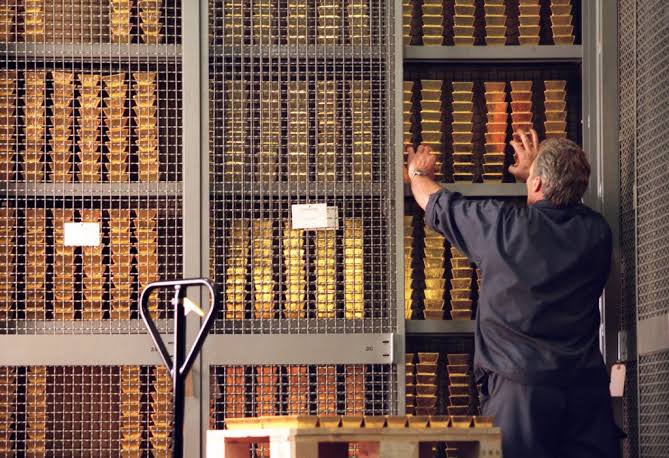
The Swiss Gold Bullion Reserve is a direct-ownership investment in allocated, audited physical gold bars stored in one of the world's most secure private vault facilities in Zurich, Switzerland. Unlike gold ETFs or paper gold instruments, this investment gives you legal title to specific, numbered gold bars — a distinction that eliminates counterparty risk entirely. Each investor's allocation is stored in segregated vaults operated by a Swiss-regulated custodian with over 140 years of history in precious metals management. The vaults are insured by Lloyd's of London for the full replacement value of all holdings. Quarterly independent audits by a Big Four accounting firm verify the physical existence and purity of all bars. WHY GOLD NOW Gold has served as the world's premier store of value for over 5,000 years. In an era of unprecedented monetary expansion, rising geopolitical tensions, and persistent inflation, institutional and sovereign demand for physical gold has reached record highs. Central banks globally purchased 1,037 tonnes of gold in 2023 — the second-highest annual total on record. The gold price has appreciated by over 28% in the past 12 months alone. INVESTMENT STRUCTURE Investors purchase allocated gold at the prevailing spot price plus a 1.5% acquisition premium. Storage and insurance fees are 0.35% per annum, deducted from the fund. Investors may exit at any time by selling their allocation back to the fund at the prevailing spot price, minus a 0.5% redemption fee. Physical delivery of bars is available upon request for holdings exceeding 100 troy ounces. PROJECTED RETURNS Gold has delivered an average annual return of 10.6% over the past 20 years. Based on current macroeconomic conditions — including anticipated Federal Reserve rate cuts, dollar weakness, and continued central bank accumulation — independent analysts project gold reaching $3,500–$4,000/oz within 24 months, representing a potential 20–30% gain from current levels. RISK PROFILE Very Low. Physical gold has zero counterparty risk, cannot go to zero, and has historically preserved purchasing power across every major economic crisis of the past century. This is the ultimate safe-haven asset.

Reykjavik, Iceland
Bitcoin Mining Facility Alpha is a large-scale, institutional-grade cryptocurrency mining operation powered entirely by renewable hydroelectric energy sourced from the Pacific Northwest. The facility houses 4,800 next-generation Bitmain Antminer S21 Pro ASIC miners, delivering a combined hash rate of 1.2 Exahash per second — placing it among the top 15 largest mining operations in North America by computational power. The facility benefits from a long-term power purchase agreement (PPA) at $0.028/kWh — one of the lowest electricity rates achievable globally — which is the single most critical factor in Bitcoin mining profitability. Advanced liquid immersion cooling systems maintain optimal operating temperatures, extending hardware lifespan and reducing maintenance costs by 40% compared to traditional air-cooled setups. THE BITCOIN OPPORTUNITY Bitcoin's fixed supply of 21 million coins and its programmatic halving cycle create a uniquely compelling investment dynamic. The April 2024 halving reduced new Bitcoin issuance by 50%, historically triggering significant price appreciation within 12–18 months. With institutional adoption accelerating — BlackRock, Fidelity, and 11 other asset managers now offering Bitcoin ETFs — demand from traditional finance is at an all-time high. INVESTMENT STRUCTURE Investors fund the operational costs and hardware expansion of the facility. Revenue is generated from Bitcoin mined daily and sold at market price. After deducting electricity costs, pool fees (1%), and a management fee (10%), net proceeds are distributed to investors in USD on a monthly basis. Investors also benefit from any appreciation in the value of Bitcoin held in the facility's treasury reserve. PROJECTED RETURNS At a Bitcoin price of $95,000 and current network difficulty, the facility generates approximately 4.2 BTC per day, translating to gross monthly revenue of approximately $12M. After costs, the projected net annual yield to investors is 15–20%, with significant upside if Bitcoin continues its historical appreciation trajectory. RISK PROFILE Moderate-to-High. Returns are directly correlated with Bitcoin price and network difficulty. Mitigated by ultra-low energy costs, state-of-the-art hardware, and a disciplined treasury management strategy.